00:30
Paige
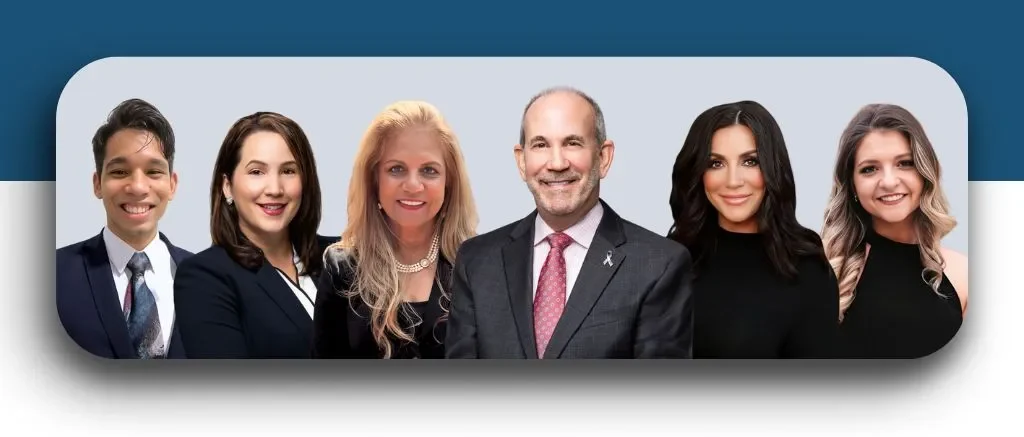
Hi everyone and welcome back to another episode of Shorr Solutions the podcast. My name is Paige and today I’m joined by Cristian Devoz who is one of the partners here at Shorr Solutions and also one of our senior client success managers. So welcome to the podcast, Cristian.
00:47
Cristian Devoz
Thank you, Paige. I’m very excited to do this one with you. It’s gonna be a great episode.
00:51
Paige
Yes, it will be. And today we’re going to be continuing our marketing conversation. And this one is a very important one because it’s framing your marketing to your patients. Many times we see the practices think in treatments and it’s thinking inside the doctor’s mind, very medical focused and treatment-based, where patients think in problems. You know, when you’re buying something, you don’t
think I need this specific product, you think I need a solution to what I’m having right now. your marketing needs to connect the treatment mindset to the patient solutions and the problems that they’re having So that’s gonna be the topic for our discussion today.
And let’s start by talking about the patient and their mindset because like I mentioned
They know the issue, not the treatment that they want most of the time. And maybe there’s the occasional patient who knows exactly what they want they see the the name of the device and they know exactly what it’s gonna do. but that’s the exception, that’s not the norm.
Most people are gonna say, I look tired, I have wrinkles, I have dark spots on my face, I have
sagging skin in different places that I don’t want there anymore. So that’s what the patients see when they look at themselves in the mirror. And that’s what you need to kind of put yourself in their shoes. and so talking about the patient, they don’t know the name of what they want. They don’t know the name of that treatment. They might not know the technical term for the surgery or the procedure or
any of the different treatments that you offer. that’s where you need to reframe and think about them.
And then also thinking about the fact that people will diagnose themselves on Google and social media. And so the patient might think they know what they want, but it’s not really the right solution.
to the problem that they need. And that’s where they need your help to guide them in the right direction and find the best solution to the problems and the insecurities that they might have. so Cristian, do you want to talk a little bit about social media trends and maybe how that can influence people and just more about how the patient mindset is.
03:13
Cristian Devoz
Absolutely.
I think that you know, when we talk about the patient mindset, we gotta really put ourselves in their shoes because sometimes, you know, they think they might need something, but what they actually need might be totally different. You know, what you were saying is absolutely true. And that’s why when we do training for our doctors and their teams, we always tell the the team, you know, ask the right questions to understand where the patient is at. And if you ask the right discovery questions
You can find out how they think. You can find out what is it exactly that they actually know. And then you can guide them in the right direction. And it’s always gonna be every person’s anatomy is different. And when you come to see the doctor, he’s gonna give you the best plan to get the results that you need or the results that you want. And he’s gonna be able to tell you what’s gonna be the best option for you that is gonna get you that best result.
So in the patient mind.
Many times it’s about what they see on social media, right? They might see celebrities getting, you know, facelifts or getting different procedures done and they want to look like those celebrities. So they wanna look sometimes even as they see themselves with filters. Because many of them use TikTok, many of them use Instagram, and there are filters there. So they take photos of themselves with these filters, and that creates a distorted reality in their mind many times, where they have these unrealistic expectations of
how they think they’re gonna look, but that’s where you have to educate the patient and guide them and let them see, you know, that they can still get amazing results. But make sure that they understand that it’s not necessarily gonna look like they look on that filter photo or, you know, how that celebrity looks, it’s gonna be the best version of themselves.
And being able to educate the patient is gonna be very important. But in the patient mind, many times what they expect might be either too much
in the sense that it might be unrealistic, or many times they just don’t know or what to expect. So we have to educate the patient.
05:15
Paige
Well said. Yeah. And I think a big part of that too is you’ll have different types of patients. So you’ll have those ones that see the Kardashians and they see all these different models and celebrities and they want that look. They want to bring in this photo and say copy paste. And then you have the other ones who are just looking for very natural results. Maybe they don’t want people to know that they’ve had work done or they just want very something very minor changed. So
They want more of that hidden natural result, So you kind of have very different extremes, but usually when you’re marketing, you have one of those patients in mind. And that brings us to creating your ideal patient based on your demographics, age, gender.
income, you know, who are you trying to get into your door because that makes a difference as well. You can’t market to the masses because you won’t be marketing to anybody.
you have to narrow your focus so that way you actually speak to the people that you want to come through your door. So is also geographically where you located and who’s around you. if you want to market to, you know, moms in a wealthy area who have a high disposable income, that they can come in, come regularly, they want those natural refined results.
that’s who you’re speaking to, and that’s where like their priorities are gonna come into play, and you need to really know how to market to them. all of your marketing, your from your website to your social media to the flyers you have in your office, your menus.
All of this needs to have common language. That’s the most important first thing to keep in mind you can’t have a very complicated procedure name when people aren’t gonna know how to pronounce it, and then two, they’re not gonna know what part of the body it refers to, or what it takes care of, or what the results are gonna look like. People are gonna see this really long, complicated word, and they’re gonna be like, I don’t know, I’m gonna not even remember what it is. So
We want to make sure that we’re using common language. so like a blepharoplasty. Instead of saying blepharoplasty, even though some people might know what that is, you kind of want to refer to it as an eyelid lift.
or eyelid rejuvenation or something along those lines that tell people it’s with the eyelid and it’s lifting the skin or it’s rejuvenating you know you want to tell them what to expect. Blepharoplasty means nothing to some people unless they know that they’ve looked into that procedure before and they know what it is.
Along the same lines, you can think facelift. That one pretty self-explanatory, right? But you always want to also put words with it that says, you know, here’s what the outcome is gonna be. You’re gonna have a more youthful lifted appearance. maybe it’s a deep lift or it’s like a mini lift. So whatever it might be, you want to add more terminology.
To explain the benefits of it. The more information you can provide to people, the better. Because if you just say, we’re now offering a facelift, people are gonna be like, Okay, cool, why should I come to you? Over the person next door who just told me that they’re offering a facelift and they’ve trained for 20 years and this is their specialty, and every single person that they come loves their results, and you know, maybe.
They have a technique where they hide the scarring and it’s not noticeable or they have minimal downtime. So all of these things that make you unique, you need to promote those things, right?
09:11
Cristian Devoz
Exactly. And you know, to the patient, many times when they are price shopping or when they are trying to do research on who to go with, there has to be a chemistry, right? I feel like it has to feel like they have found their surgeon. And yes, you gotta have your board certifications, you gotta have your experience, you gotta be be able to to sell yourself in being able to speak about your credentials and having your team also speak about your credentials and your experience.
That’s wonderful. We want the patient to understand that you cover all of those, you know, bases. But when it comes to the actual consult, that’s when you really want to build that rapport with the patient so that they really feel that you got their back. And that they are not just gonna get the surgery and then you’re gonna forget about them, but that you’re gonna, you know, be with them during that journey prior to the surgery, make them feel comfortable doing the surgery and then of course post surgery you’re gonna have the the follow-ups and everything that is gonna make the patient feel really good.
Now going back to the marketing, because that was what I was just saying has to do with what makes you different. What what’s that unique value pro proposition that you can offer. but also in your marketing, you wanna make sure you use the proper verbiage that is gonna resonate with what that patient is going through. Right. Cause if what going with the examples that Paige was giving If you say the terminology, the medical terminology, many people are not gonna be familiar with that. But if you talk to their pain points, that’s what’s gonna re-resonate with people.
And I I really love a quote from Steve Jobs And he was once asked a very difficult question. And the way that he answered that question was masterfully done. He was able to explain that many times people focus on building a product or a service and then they sell that product or service and expect people to buy it or to figure out, you know, the benefits, the things that maybe they can use that product for. But that’s not very successful in his mind.
He explained that it’s easier and more effective to start with the customer experience. So start thinking about what the patient or the customer thinks and then build your process or your product from there. You go backwards and start building the process to get the result or you know to get that experience that the patient is looking for.
So in your practice, in your marketing, and even in how you train your team to do sales and to answer the phone, you really want to have a process that allows people to really resonate with you. And that’s where the verbiage that you use is very important. Talking about those pain points is gonna be very important. Thinking about seasonality and what people go through during different phases of the year, trying to understand where we are as a society and understanding the culture. It’s just this.
All these different moving parts. But at the end of the day, is always keeping in mind the customer experience first was that patient experience first, and then build from there. What is in the patient’s mind? Figure that out, and then you’ll be able to sell to them. You’ll be able to really get them to convert.
And any great salesman is able to understand that. That once you understand what’s your pain point, what’s stopping you from making the decision to buy today. Now you can flip it around and you can rebuttal and you can guide that person towards making the right decision, which is obviously going with your practice, right? You want them to make that decision. and you want them to feel that it’s their decision and they’re not being pushed to buy, right? That’s the worst thing you want somebody to feel. Because then they’re gonna regret it. You want them to feel like, wow, they really care about my process, they really care about my results, and you know, they really resonate with me.
At the end of the day.
13:03
Paige
Yeah, and I think that’s probably one of the most important things is not to be pushy, It’s sales, and a lot of people don’t want to be overly like salesy or a salesperson, but you’re in a business.
It’s medicine, but it’s a business. You’re there to sell your services and your products to people. So you have to sell. You have to make sure your brand is recognizable, that it’s welcoming, that you, the doctor, or the practice, the whole team is the face and it’s a nice, smiley, welcoming face. And that goes throughout.
the whole process. Like Cristian was saying, talking to them and being personable with them in the consult. It is the same type of language that you want to be using in the consult as maybe the ad you put on social media or the home page of your website. All of this has to kind of coexist and be very in sync with each other. So that way the whole process for people is very easy. It’s very smooth.
And people can see exactly from the very first time they interact with your practice, to the very first time they walk into your practice all the way to their very last treatment, which hopefully you can’t see the end and you can’t see the last treatment. But you know, you want to keep bringing them back and that whole experience, this is part of it because
You may not even capture their attention if you’re not speaking to their pain points, you’re not addressing them properly. So this is all everything at the end of the day that patients need to know not the name of the treatment, but they need to know that who you are, what you offer, the outcomes that they’re gonna receive, address their concerns.
and that you can be the solution to their insecurities or their problem or whatever it may be that they’re feeling that you need to address, that you’re the right person to do that. So when your marketing focuses on the patient goals and the first treatment and the second treatment, that you create a clear path from their interest to the consultation all the way through to the treatment.
15:13
Cristian Devoz
yeah, I’m just gonna kind of wrap up a little bit because I know that we have said some really good points. But I think that it all starts with understanding who your market is. So going back to what you were saying earlier, that’s the first step. You’re gonna do your demographic study and we do that for our clients when we are building business plans. If you need help, you know, doing the demographic studies and putting together a business plan, we’re happy to help. So reach out to us, we’re here for you.
But what we do is usually go through all of this process of understanding who is that audience? Who are your patients? What’s that patient persona? What do they think? How old are they?
and I’ll give you an example. Once you understand who they are, let’s say that you’re a facial plastic surgeon, your population is probably going to be the aging face population. So starting with, okay, this is my patient persona. This is the age that they are at. Where are these people? How do I market to them?
And you’re not gonna really find many of these people on TikTok, right? So that’s not gonna be your channel. You have to figure out, okay, maybe it’s not TikTok, maybe it’s gonna be more Facebook, because that’s the aging population. Maybe it’s gonna be a local newspaper or a local magazine or a local radio station or a local, you know, TV channel. Like there are so many other ways that you can reach these specific people, but understanding where do they market and go to that market and sell to them. That’s the first step.
And when you’re selling, you wanna speak in terms that are gonna resonate with these people. maybe these people are thinking, like maybe I’m noticing that you know I’m getting more and more wrinkles, maybe I see some lagging skin on my on my chin, on my neck. so you have to talk about what is it that is bothering them. And then you wanna definitely credential yourself and help them see
that you can guide them towards getting back to how they they used to feel and look when they were younger. You really want to talk to to them in in a way that you make them feel something. People really buy out of feeling many times. So you really need to understand how do you make them feel the need to come to you.
With that being said, once they come to you, you want to have your people trained so that they use the verbiage that is going to help them. you know, convert and they address their concerns and they help guide them towards that consult. Once they’re in the consult, you build that rapport, you close that sale and then you guide them all throughout that process so that you really can set yourself apart by providing a concierge level of experience.
But it all starts with understanding who they are and talking to them in terms that they will understand. Never assume they will understand industry knowledge or industry terminology. Talk to them as you would if you were in their shoes. And I think that’s it, Paige. Do you wanna add anything else?
17:55
Paige
Yeah.
Yeah. The last thing I want to say is Cristian mentioned we can help with, you know, doing your demographic report, doing a different demographic study for you, figuring out who your patient base is. we also have a lot of different ways we can help you with your marketing. So we can either do your newsletters for you, so you know, we can collaborate, figure out what your brand voice is and how to best market those pain points to
all of your your patient base that you have emails for. We also have a program where you know we’ll kind of walk you through all of your marketing foundations from creating your brand to making sure that you have those pillars and a very strong foundation to be able to build and flourish all of your marketing from.
on top of you know, many other areas that we help as consultants in your practice management coaching you through different issues you may be having or just ways to keep accelerating your your practice. So if you’re interested in working with us, schedule a free consult and we’ll be happy to talk to you and be able to meet with the entire team.
And with that, thank you so much for listening to this episode of Shorr Solutions the podcast, and we’ll see you next time.
Convert more patients and boost your revenue! Sign up for our Conversion Cascade 2.0 online course to attract more patients, convert calls to consults, convert consults to treatment and keep patients coming back for more. Use code PODCAST to save 20% OFF!
Free Workbook: “How to Build & Maintain Your Dream Cosmetic Practice”. Download now here!