Cristian Devoz (00:31)
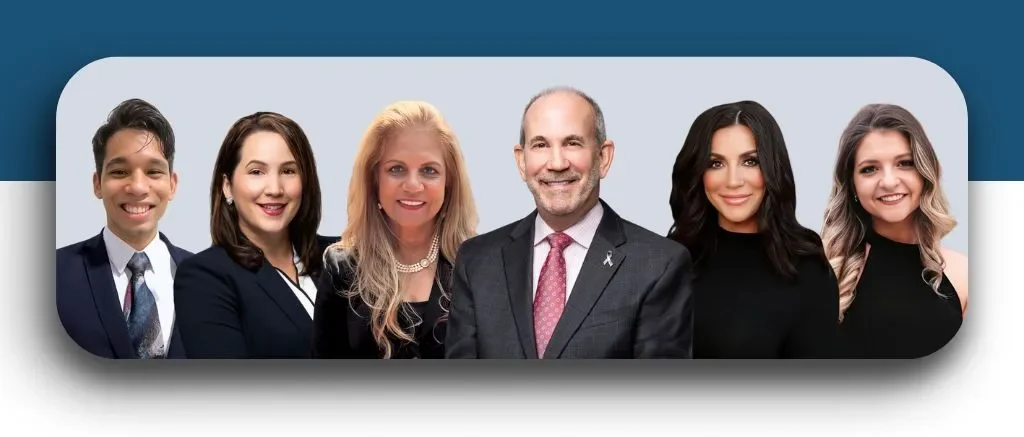
Welcome back everyone to another episode of Shorr Solutions: The Podcast. Today, I will be your host, Cristian Devoz and I have with me one of the greatest client success managers that we’ve ever had. That’s a big title, man. I just gave you. New title you’re getting today.
For those of you who don’t know Nan already, she’s a retired airwoman over 20 years in the Air Force. And she had the highest rank and that’s a chief master sargent Did I get that right Nan
Nan (01:01)
You did, you did.
Cristian Devoz (01:01)
Okay, good. Yes, it’s a pleasure to have you here Nan. And once again, she is a very experienced person in this industry. She owned, run and then sold her own Med Spa. Then she worked for a plastic surgeon and that was making millions of dollars
She was negotiating things negotiating equipment and basically running the practice for that surgeon. So a lot of that success came from her experience and work. And we’re pleased to have her on our team. And we’re very happy to have her on the podcast today.
Nan (01:31)
Thank you, Cristian
Cristian Devoz (01:33)
All right, so we’re to get started with the conversation. And today’s episode is going to be about leads. Where do leads get either won or lost? And how can you make sure that you understand your process so that you can maximize the amount of leads that you’re converting, that your team is converting? So we’re going to talk about those things and what is it that makes people not want to basically convert? And I scheduled that appointment to that consult with you when they’re on the phone.
So let’s get started Nan, and I guess the first process really here before we even get that initial lead is we have to have marketing in place. So can you tell us a little bit Nan about what do you see in marketing that doesn’t create those patients? And basically what can you tell us about that aspect of the lead process?
Nan (02:22)
you know, we deal with many clients and one of the first questions that we always ask is how many leads are you getting? And they can usually tell us how many leads they’re getting. But then we ask the follow-up question, well, how many leads are you actually booking? And that’s where it gets silent because a lot of practices aren’t really tracking those leads and they come back to we’re not generating enough leads or our marketing is terrible or the leads that we’re getting aren’t good and they’re just price shopping and nobody answers and they’re not serious anyway.
And while that may be true, when we tend to listen to calls, which we always also do for our clients, we find out that it’s not necessarily the quality of the lead. It is how that lead is handled once it reaches the practice. So before you tell me that you have a lead problem, let’s take a look at actually what you’re doing with the leads that you do have.
Cristian Devoz (03:28)
Right. So I guess more is not always better, right? Because many practices that we have come across in the past, they tell us, well, I have increased my marketing budget. I’m doing 7%, 8%, 9%, 10% of my revenue on marketing. And yes, we’re getting more patients in, but we’re also getting a lot of leads that are not getting through or that are not being converted. So even though they increase the volume, their conversion ratio is still the same, sometimes even worse.
So What can they do when it comes to that, Nan? What would you say should be a priority as opposed to putting money on marketing? Where should they put their money?
Nan (04:03)
Well, they need to put their money, of course, into marketing, but they need to know how that money is working for them with marketing. And I think that’s where a lot of practices fall short. They have no idea if the marketing that they have is even working. And there’s a message sometimes in marketing where they will say, you know, schedule your personalized consultation today. Well, when that patient actually speaks to someone in the practice, or they either get a text message, thanks for reaching out, somebody will be with you sometime, shortly, whatever that means, or
Cristian Devoz (04:38)
Right.
Nan (04:39)
they get someone on the phone and the person says, well, know, what is it that you need to know? And so that personalized experience, that patient experience is lost, you you may answer that lead in two minutes and lose it by the third minute, just by the way that call is handled.
There are so many different aspects of how to handle a lead and going into the money that you’re spending with marketing. It’s just that what we find is most practices will say, we’re not getting enough qualified leads. Our marketing is not good when in fact, that’s not the case at all.
Cristian Devoz (05:16)
Correct. And yes, you should put your money in marketing, but also on your staff, because that’s who’s going to convert the marketing. And what that looks like is training, right? The more you train your staff and you create this culture of everyone has to convert the lead. It’s not just that front desk or director of first impressions. Everyone in your team should be trained on how to handle the lead and how to actually have the level of customer service that you want your practice to follow.
the high tier type of experience that we want to provide for the patient. So great marketing cannot really overcome poor execution. And you gotta make sure that your team is performing at the highest level possible. And that happens when you do several things. Number one, you get the initial training. Number two, you follow up with that training and you monitor the results. And then you do continual processes of improvement.
by meeting with your staff, looking at their calls, listening to them together and showing them their areas of opportunity. But be careful though, because sometimes if you focus too much on the negative, you really don’t want to make that person feel that you’re always criticizing the way that they do their work. So you want to make sure you do the sandwich method when you do those sessions. Make sure you give them the good and then give them the areas of opportunity. And we call them areas of opportunity, not weaknesses or mistakes. And then we talk about again, about how are going to commit, what are you going to do differently to make sure that the next time you get that phone call with that same situation, you’re going to handle it better so that you can actually convert that lead.
So it’s a lot of initial training and then ongoing training to make sure that they maintain that high level of performance. So Nan, can you tell me a little bit about speed? Let’s talk about the speed at which the staff is responding to leads, because you mentioned something earlier, right?
Cristian Devoz (07:02)
Let’s talk about the speed at which the staff is responding to leads, because you mentioned something earlier, right? Sometimes they
Nan (07:10)
Right.
Cristian Devoz (07:11)
take too long to answer the lead. So how quickly should they be answering these leads? And what’s the expectation from the consumer standpoint?
Nan (07:20)
I think speed sometimes is over emphasized and I think I’m probably saying this for the first time. You know, we always say lead should be answered right away within seconds because people are making those decisions quickly and with a med spa situation, that is most likely true. When someone decides they want Botox, they want Botox. When someone is wanting surgery, they’re not making that decision as quickly.
but you want to be able to get back to them. But speed doesn’t necessarily mean how fast can you send a text message. What we’re seeing now in a lot of the practices is they’re implementing CRMs. These CRMs are capable of sending a text message within a second of receiving a lead. But when is that human engagement actually happening?
We’re finding more and more that practices are relying on these CRMs to send texts, to send emails, and the patient care coordinators are kind of slacking. They’re falling back a little bit because they’re now going, well, the lead is being reached out to, and I’ve heard that the lead has to be answered within seconds, and the CRM is answering it. Even the virtuals, the AI and the voice.
calling the patient. It’s just not the same as a human interaction. So while speed is important, it’s also equally important to have that human engagement as soon as possible. Because like I said, you can send a text in seconds, you can talk to somebody within a couple of minutes, but it’s so easy to lose them if you don’t have that human interaction and relay that patient experience rather quickly.
Cristian Devoz (09:09)
And I love that you mentioned AI because that’s the biggest thing right now. Everybody’s talking about AI and how to implement it in the different industries, right? And when it comes to our industry, the aesthetic industry it seems like people are trying just to get the voice agents on, but then they’re relying on it way too quickly. And in a way that is completely the opposite of what it should be, AI should be there to support you.
It shouldn’t be the other way around where your staff is supporting the AI. And many times leads fall through the cracks because AI sometimes doesn’t have certain capabilities. Some AIs are restricted in whether they can actually book the appointment or not. Sometimes they will book the appointment, but not at the right time frames that you would want it to be booked, as opposed to a human being who’s going to call that person and try to get them to the soonest appointment possible so that you can make sure that you’re basically booking every single appointment possible so that you don’t have any, example of the plane, right? Where you have seats that don’t get taken that can happen. And AI will try to schedule that person to their best date of what they want, as opposed to a staff member who’s going to suggest options. I have this, this is soonest appointment I can give you, and this is a couple of options for you. If you set up AI properly to be able to do that, then that’s wonderful and that’s great.
But just know what your AI is capable and not capable of doing. And then make sure that you use it to the extent that it’s going to help your staff improve and not necessarily rely on AI only. Because then some people still like to have that human interaction.
And then use AI during your off hours when your team is not working and not answering the phones or if your team is busy in a different phone call, AI can answer those phone calls while they get back on the line for that next patient. But just make sure that you have a structure for it and that you know what each team member is responsible for and what AI will be responsible for. Just treat it like another team member. That’s what AI is going to be at the end of the day, but just understand its limitations and make sure that you have…
that human touch that Nan was talking about, especially when it comes to surgical patients. You want a human being in that process.
Nan (11:20)
Absolutely. And you do need a process.
Cristian Devoz (11:24)
Right. So let’s talk about that, you know, because we talk about repetition is the mother of memory. And the best way to make sure that a process is repeated is number one, setting it up. But Nan can you tell us a little bit more about how should that be set up? And then what can practices do to ensure that it is a repeatable process?
Nan (11:45)
One of the most interesting things that I think we find when we’re communicating with clients and we ask them about their leads, again, they can typically tell us the number of leads, but they’re not always thinking about all of the lead sources. So you run your marketing campaigns, those are typically very trackable, but then you have Facebook leads, you have Instagram leads, you have phone calls, you have all of these areas where leads are coming in from.
and who owns them. A lot of times I ask who is answering your Facebook leads and I get a deer in the headlights look, well I believe our social media person is handling it. Well is your social media person trained in handling that lead? You know, what are they doing? So one of the first things is to determine who owns the leads, where are they coming from?
Who gets it? Where do they go? Who calls the patient back? What happens if they don’t answer? When, how soon do you call them back again? Is an email being sent? How many times do you follow up? When do you stop following up? You know, there’s just so many things that go into it that we find are missing in a lot of the practices. The leads are coming, but what is happening to them?
when they do come and with the marketing leads a lot of times there is a process. CRM’s are helping with those follow up sequences but what we’re finding more and more with CRM’s is that the lead is coming in, the contact attempt is made and what if that person calls back to the front desk and not to the PCC and actually books a consult. Does that front desk person know to go in the CRM and move that patient?
from the attempted contact funnel to the consult booked funnel. And then when the consult is done, is that moved to, they actually booked the surgery. How is all of that being handled? Who is handling it? And how is it being tracked?
Cristian Devoz (13:56)
That’s such a big question for many people. How is that going to be tracked? And they ask, because we have the CRM that we get from our website company, and we have the CRM that we get from the EMR company, and we have information in so many different places. that’s where having that repeatable process that you’re talking about comes in. You’ve got to understand, what is going to be the process and get everybody on board? This is going to be the CRM we’re going to be using.
And if you have different CRMs for different things, make sure that they properly understand what those things are, what those processes are, so that there is no confusion. And if you can have everything in one place, that would be wonderful.
Now, with that being said, something that I also want to mention when it comes to the process is making sure that
And I cannot emphasize this enough. If you don’t train your people to do something a certain way, don’t expect them to do it right. It’s that simple. You got to train your people from the very beginning how to use these tools. And then they have to know that process. Otherwise they’re going to fail. And then if you come down on them because they failed, I mean, you’re not doing really your job as a leader. Many times it’s not the fault of the staff member that is trying to do the best with what they have.
many times it’s the fault of the leader. And we have to sometimes recognize that in us as a practice owner or a administrator, we gotta make those changes. Because many times processes fail not because of the staff, but because the leadership didn’t set it up properly from the very beginning. The next thing would be how do you measure that process, I guess, or what really matters in that process or that conversion? what really matters in all of this?
Nan (15:36)
Sure, again, going back to a CRM, that’s certainly a way to measure it, but you need to measure how many leads are coming in, the contacts that are made, the consults that are scheduled, the consults that are showed, the treatments that are booked, the revenue that is generated. And one thing that we find more often than not that is overlooked is why are patients not booking?
So that is another key element that needs to be measured because that is a telltale sign of is it marketing? Are they pulling in the wrong type of leads? Are these not the right qualified leads? the patients aren’t booking, is it because the value has not been established and the patient experience has not been explained? Or is it price? Are people not booking because your price is too high?
So why patients aren’t booking that consult is one of the key elements that we find more often than not are actually not being tracked. I will take this opportunity to give you a quick example of a mystery call that was made not too long ago. We do mystery calls for our clients and I had contacted several for a mommy makeover.
would typically get a human on the phone within a day or two. And they would ask me what I was interested in. And I would say a mommy makeover. And typically the next question is, sure, what would you like to know? And then they would just stop. And I would say,
Cristian Devoz (17:11)
my goodness.
Nan (17:12)
well, I would like to know how much it’s going to cost. well, that will range between 20 and 23,000. I’ll go, OK, well,
What does that include? You know, it was me asking the questions, but then
Cristian Devoz (17:27)
Right.
Nan (17:28)
I called one practice and this young lady started out with getting to know a little bit about me. What is causing the decision to get a mommy makeover? You know, if I had children, I mean, ask me a lot of questions to get to know me and then went into telling me about the facility, the provider.
the experience, how I would have a private concierge assigned to me throughout the entire journey. And all of these things came with it and I would just be, I mean, it sounded like I was going on a cruise by the end of the conversation.
Cristian Devoz (18:08)
Hahaha
Nan (18:10)
And then at the end she said, our price is, and it was actually double what the other practices had quoted or had given me a price range.
But the feeling that I had after talking with that practice, I would have wanted to do anything I could financially to be able to afford to go to that surgeon to have my surgery because of the way that that person made me feel on the phone. So you can spend thousands of dollars on marketing and we see many practices that do. But if that person answering the phone is not relaying the right information,
and the right way, then you’ve just wasted all of your money. Because those other practices, while the surgeons are top notch and great, the person answering the phone obviously has not had any investment made in them to provide that service that is over the phone, that is desperately needed. So yes, you
Cristian Devoz (19:17)
Right.
Nan (19:18)
need to…
To answer your leads in a timely manner, you need to make sure you have the human interaction, the patient experience. You need to be looking at how you’re tracking and how you’re following up, how your process is established, how your people are trained. There are just so many things that go into lead management that is not just, our marketing is terrible.
Cristian Devoz (19:44)
Exactly. No, and I love your example and the story that you told because she hit on every single thing that we always tell the practices that we train that they should do, which is do some fact finding, understand what’s that real reason why they’re calling, right? She asked you all these questions to understand who you are. And people love to talk about themselves. That’s just a human thing. And being able to ask people questions about why they’re making that decision. How would the thought of that procedure make them feel trying to connect with them emotionally?
That’s gonna give you, literally give you what you should focus on for the rest of that call so you can talk to that person’s emotions, right?
And, you know, you try to convey the emotions that will make them feel that, man, I want to go to this place.
I don’t care if it is more expensive, the way that they make me feel is so good. And this is just one thing that you should know, by the way. There are so many other things that you should know when you’re handling that phone call of things that you have to communicate to that patient and how to handle that entire process. It is a call flow that you need to have and being able to understand what’s your call flow. What is it that you want to convey to the patients and having something that is going to be structured and repeatable.
throughout your practice with all your staff, no matter who answers the phone, they follow the same process. That’s gonna be the key to converting more patients and then making sure you track it so you can see improvements or areas of opportunity. And then you coach your team so that they can continually improve those areas. And if you need help in doing all of these things, that’s why we’re here. And we’re literally doing this for several practices at the moment. And we have already seen improvements in the way that they answer the phone call.
and they are seeing improvements in the way that the patients feel and the reviews that they get from patients. So we invite all of you to schedule a free consult with us and we’re happy to discuss how we can assist you in your practice. But with that being said, Nan, any final thoughts, any final recommendations for our audience listening out there that want to improve their lead process, their lead management process?
Nan (21:44)
Yes, absolutely.
So I think the bottom line is lead management is a front desk problem and isn’t a marketing problem. It’s actually a leadership responsibility. Someone in your practice in a position of leadership really needs to know how many leads you’re getting. How quickly are we responding? How did how many did we reach? How many are booked? How many showed? How many converted? Why did we lose the others? And if you don’t know those numbers,
Don’t spend more money on marketing yet. Figure out what’s happening with those opportunities that you’re already paying for because the most expensive lead isn’t the one you paid $100 to acquire. It’s the one you paid $100 for that you never properly followed up with. really it is leadership that has to be in control.
Cristian Devoz (22:36)
Right, so don’t expect your people to perform well if you’re not training them. Back to what I said earlier. All right, everyone, thank you so much for listening to this episode. We hope that you could get some inspiration from anything and everything we said and that you can get out there and start converting more in your practice. Thank you again for listening and we hope you have a wonderful week. Good luck and God bless.
Convert more patients and boost your revenue! Sign up for our Conversion Cascade 2.0 online course to attract more patients, convert calls to consults, convert consults to treatment and keep patients coming back for more. Use code PODCAST to save 20% OFF!
Free Workbook: “How to Build & Maintain Your Dream Cosmetic Practice”. Download now here!