
How to Handle Patient Objections in Your Aesthetic Practice
Posted on October 23, 2026
The way to handle patient objections in your aesthetic practice is to listen first, find the real concern behind the hesitation, answer it with clear and honest information, and follow up consistently. An objection rarely means “no.” It usually means the patient needs more clarity, more trust, or more time. When your team treats objections as questions rather than rejections, consultations turn into scheduled treatments far more often.
At Shorr Solutions, we work with aesthetic practices on sales training, staff development, and patient conversion. This guide covers what we teach teams about objections and how to build a process that holds up across every patient conversation.
Understanding Patient Objections
Before your team can respond well, they need to understand where objections come from. Most hesitation is predictable. That means it can be prepared for.
Common Reasons Patients Hesitate
Patients considering aesthetic treatment often share a small set of concerns. The most frequent include:
Fear of results: They worry they will look unnatural or different from how they pictured it.
Uncertainty about recovery: They want to know how treatment will affect work, family, and social plans.
Timing: They feel the moment is not right because of an event, a busy season, or personal circumstances.
Trust: They are not yet sure about the provider, the practice, or the treatment itself.
Value: They are unsure the result justifies the investment.
Needing to consult someone else: They want to talk with a spouse, partner, or friend first.
Each of these is a different problem. A patient worried about looking overdone needs a different answer than a patient worried about missing work. When your staff can name the real objection, they can respond to it directly.
The Impact of Objections on Patient Conversion
Unaddressed objections are one of the main reasons consultations do not convert. A patient who leaves with an unanswered concern often never returns. They do not call back to say why. They simply go quiet.
This is why we built our Conversion Cascade 2.0 Sales Training around the full patient journey, from first inquiry to scheduled treatment. Every step where a patient can hesitate is a step where your team can either lose them or move them forward. Handling objections well is not a single skill used once in the consultation room. It is part of how your entire practice communicates.
Preparing Our Team to Address Objections
Objection handling cannot depend on one talented coordinator. Every person who speaks with patients needs the same foundation.
Training Staff to Recognize and Respond to Concerns
Start by teaching staff to recognize objections in all their forms. Some patients say exactly what worries them. Many do not. Phrases such as “I need to think about it” or “Let me check my schedule” often hide a deeper concern.
Train your team to respond with a gentle, open question. For example:
“That makes sense. What part would you like to think through?”
“Is there anything about the treatment plan that feels unclear?”
“What would help you feel more confident about moving forward?”
Role-playing is one of the most useful tools here. Have staff practice common objections with each other until the responses feel natural rather than scripted. Written protocols help too. Clear policies & protocols give every team member the same playbook, so patients hear consistent answers no matter who they speak with.
Creating a Supportive Environment for Open Dialogue
Patients share their real concerns only when they feel safe doing so. If a patient senses pressure, they will give a polite excuse and leave.
Encourage your team to slow down. Let patients finish their thoughts. Make it clear that questions are welcome and that no concern is too small. A coordinator who says, “Many of our patients ask about that,” normalizes the worry and opens the door to a real conversation.
The environment matters inside the team as well. Staff who feel supported by leadership are more patient and more confident with patients. A team under constant stress tends to rush, and rushed conversations leave objections unresolved.
Effective Strategies for Overcoming Patient Objections
Once your team is prepared, these core strategies guide every conversation.
Listening Actively and Empathetically
Active listening means hearing the concern fully before responding. Many staff members jump to an answer the moment a patient pauses. That habit can make patients feel dismissed.
Teach your team to repeat the concern back in their own words. “So you are worried the result might look too dramatic for your job. Is that right?” This confirms understanding and shows the patient they were heard. It also gives the patient a chance to clarify, which often reveals the true objection.
Empathy does not mean agreeing that the patient should not proceed. It means acknowledging that the concern is reasonable. Patients relax when they feel understood, and relaxed patients make clearer decisions.
Providing Clear, Evidence-Based Information
Many objections come from missing or confusing information. Patients may have read conflicting opinions online or heard stories from friends. Your team’s job is to replace uncertainty with clear facts.
Keep explanations simple. Avoid medical jargon unless you define it. Focus on what the patient actually needs to know: what the treatment addresses, what a realistic result looks like, and what recovery involves. Make sure every staff member gives the same accurate information, and route clinical questions to the provider rather than guessing.
Honesty about limits builds credibility. When a patient hears that a treatment may not achieve everything they hoped, they are more likely to trust everything else your team says.
Addressing Financial Concerns and Treatment Value
When patients hesitate over the commitment, the conversation should center on value. Help the patient connect the treatment to their personal goals. What will change for them? How long do results typically last? What does the full plan include, from the first visit through follow-up care?
Patients who understand the complete picture are better able to judge whether the treatment fits their priorities. Train your team to explain what is included in each plan so nothing feels hidden or surprising later. Avoid pressuring language or limited-time urgency. Patients who feel rushed into a decision are more likely to regret it and less likely to return or refer friends.
Building Trust Through Transparency
Trust is the foundation of every scheduled treatment. Transparency means being open about what to expect, including the parts that are less appealing, such as downtime or the need for multiple sessions.
Introduce patients to the provider’s training and experience in plain terms. Explain how your practice handles follow-up visits and questions after treatment. When patients know what support they will have, the decision feels safer.
Transparency also applies online. How your practice responds to reviews shapes how new patients see you before they ever call. Our guide to negative feedback online covers how to respond in a way that builds credibility.
The 5 Steps for Handling Patient Objections
Every strategy above fits into one repeatable sequence. When your coordinators, front desk team and providers all follow the same five steps, patients get the same calm, clear experience no matter who answers their question.
Pause and listen. Let the patient finish. Do not answer while they are still explaining.
Acknowledge the concern. Repeat it back in plain words and tell the patient it is a fair question. Many patients have asked the same thing.
Ask one open question. Find the real concern behind the first one. “I need to think about it” can mean cost, fear of the result, timing or a partner who has doubts.
Answer with facts. Give a short, honest answer to that specific concern. Use before-and-after photos, the provider’s experience and a clear treatment plan. Send clinical questions to the provider.
Agree on the next step. Offer to schedule, hold a date, or set a follow-up call for a specific day. Note the concern in your patient management system so the next person can pick it up.
At Shorr Solutions we call the front desk team the Directors of First Impressions, because they hear most objections first, often on the phone before a consultation is ever booked. Train them on these steps as well as your coordinators. Then track how many consultations turn into scheduled treatments for each team member. Your conversion ratios tell you which step needs more practice.
Proven Tactics to Overcome Objections
Strategy sets the direction. These tactics put it into daily practice.
Personalizing Our Approach to Each Patient
No two patients bring the same goals or worries. A script that works for one patient may fall flat with another. Teach your team to use what they learn in the conversation.
If a patient mentions an upcoming wedding, the treatment timeline becomes central. If a patient mentions a demanding job, recovery time becomes the key topic. Personalized responses show patients that your practice sees them as individuals rather than appointments.
Notes in your patient management system help here. When a coordinator records a patient’s specific concerns, anyone who follows up can pick up the conversation exactly where it left off.
Following Up with Patients
Patients who leave without scheduling are still interested. They simply need time or one more answer. Without follow-up, those patients are lost.
Build a clear follow-up process. Reach out within a short window after the consultation. Reference the specific concern the patient raised and offer to answer any remaining questions. Keep the tone helpful rather than pushy. Our article on the importance of patient follow-up explains how to make this a consistent habit.
Missed calls are another source of lost patients. Practices are now using AI tools to handle after-hours calls so fewer opportunities slip away while the office is closed.
Utilizing Testimonials and Patient Stories
Hearing from other patients is often more persuasive than anything your staff can say. Written testimonials and patient stories address objections about trust and results in a way that feels authentic.
Share testimonials that speak to common concerns. A patient who describes feeling nervous before treatment and confident afterward speaks directly to a hesitant patient’s fears. Always obtain proper consent before sharing any patient’s words, and keep every testimonial accurate and HIPAA compliant.
Testimonials work well on your website, in follow-up emails, and on social media. Formats such as a carousel of short patient quotes make it easy for prospective patients to see multiple voices at once.
What to Say When Patients Raise Common Objections
Scripts should never sound memorized, but having a starting point helps new team members stay calm. Here are sample responses your team can adapt to its own voice and your practice’s policies.
“It Costs More Than I Expected”
Do not lower the price or apologize for it. Bring the conversation back to the patient’s goal and what the plan includes. “I understand. Can I walk you through everything that is included, from today through your follow-up visits? Then you can decide if it fits what you want to achieve.” If your practice offers payment plans or financing, explain them here, clearly and without pressure.
“I Need to Talk to My Spouse First”
Respect it. A patient who feels pushed past this point rarely comes back. “Of course. What questions do you think they will have? I can give you the plan in writing, and we are happy to answer their questions too.” Then agree on a day to follow up.
“I Need to Think About It”
This is the most common way patients say they still have an unanswered concern. “That makes sense. So I can help, is it more about the result, the recovery, the timing or the investment?” Most patients will name one, and now your team has a real objection to answer.
“I’m Afraid I Will Look Overdone”
Fear of an unnatural result is one of the strongest objections in aesthetics. Show before-and-after photos of patients with a similar starting point, and let the provider explain how the plan is matched to the patient’s features. “Our goal is for people to notice you look rested, not that you had something done.”
“Now Isn’t a Good Time”
Timing objections are often real. Work backward from the patient’s date. “When is your event? Let’s look at when you would need to start so you are fully healed and looking your best by then.” A clear timeline turns “not now” into a scheduled start date.
Enhancing Patient Experience to Prevent Objections
The strongest approach to objections is preventing many of them before they arise.
Setting the Right First Impression
A patient’s first contact with your practice shapes everything that follows. A warm, knowledgeable phone conversation reduces doubt; a slow response or a rushed call creates it.
Train front desk staff to answer common questions confidently and to treat every caller as a potential long-term patient. The appearance of your office, the ease of your website, and the speed of your replies all send signals about the quality of care a patient can expect. When those signals are positive, patients arrive at the consultation already inclined to trust you.
Ensuring Consistent Communication Throughout the Patient Journey
Inconsistency creates doubt. If a patient hears one thing on the phone and something different in the consultation, they start to question both.
Map out each touchpoint, from first inquiry through post-treatment care. Decide what information is shared at each step and who shares it. Confirmation messages, reminders, and post-visit check-ins should all reflect the same tone and the same facts. Consistent communication tells patients that your practice is organized and reliable.
Measuring and Improving Our Approach
Objection handling improves only when you track it and adjust.
Gathering Feedback to Refine Our Process
Track which objections come up most often and which ones most often end without a scheduled treatment. This data shows where your team needs more training or where your materials need clearer information.
Ask for feedback from patients who scheduled and from those who did not. A short survey or a brief follow-up call can reveal concerns your staff never heard in the consultation. Review conversion rates by staff member as well. Differences often point to specific skills that one team member can teach another.
Ongoing Training and Team Development
Training is not a one-time event. New staff join, treatments change, and patient expectations shift. Regular refresher sessions keep everyone sharp.
Schedule recurring role-play sessions focused on the objections your data shows are most common. Share examples of conversations that went well. Investing in continuous staff training pays off in stronger conversion and a more confident team. Our Conversion Cascade 2.0 Sales Training online course and our Sales Training for Your Staff program are both designed to build these skills over time.
Frequently Asked Questions About Patient Objections
What are the 5 steps for objection handling?
Pause and listen, acknowledge the concern, ask an open question to find the real concern, answer it with clear facts, and agree on a next step. In an aesthetic practice the last step is usually a scheduled treatment, a held date or a follow-up call on a specific day.
What is the most common objection in an aesthetic consultation?
Value and fear of the result come up most often. Patients want to know the result is worth the investment and that they will still look like themselves. Many of these concerns are hidden behind “I need to think about it,” so teach your team to ask a gentle follow-up question.
How soon should you follow up after a consultation that did not book?
Follow up while the conversation is still fresh, ideally within a day or two, and mention the specific concern the patient raised. A helpful, personal message works far better than a generic reminder.
How is an objection different from a difficult patient?
An objection is a question or concern that stands between a patient and a decision. A difficult patient is a relationship problem that can come up before or after treatment. They call for different skills, which we cover in how to handle difficult patients.
Can Shorr Solutions train our team to handle objections?
Yes. Our Conversion Cascade 2.0 Sales Training online course covers phone skills, consultations, booking and follow-up for the whole team. You can also book a free consultation to talk through your practice’s conversion numbers with our team.
Conclusion: Turning Objections into Opportunities for Growth
Learning how to handle patient objections in your aesthetic practice comes down to a few core habits: listen fully, uncover the real concern, answer with clear and honest information, and follow up consistently. Train every team member, keep communication consistent, and measure what works. When your team treats objections as questions to answer, more patients move forward with confidence and your practice grows.
About the Author
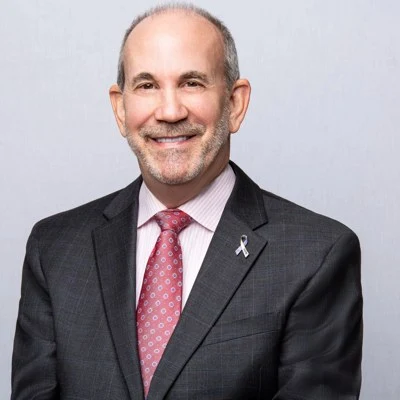
Jay Shorr
Jay Shorr is the CEO and Founder of Shorr Solutions, an award-winning practice management consulting firm for aesthetic medical practices. A former owner of one of South Florida’s top cosmetic dermatology and plastic surgery practices, Jay helps practice owners grow through marketing, sales training, and day-to-day operations.
October 23, 2026
Ready to get started and ignite your aesthetic practice’s growth?
Schedule Free ConsultSchedule a FREE consult with our award-winning team of experts to see if we’re the right fit for you! (The meeting is completely complimentary with no strings attached).
About Shorr Solutions:
Shorr Solutions is an award-winning practice management consulting company with offices in South and Central Florida. We work with aesthetic medical practices in all 50 states of the U.S. to help them strengthen the operational, financial, and administrative health of their business. With decades of industry experience, our father-daughter partners, Jay Shorr and Mara Shorr, lead our knowledgeable team of experts to assist practices in the aesthetic medical fields increase efficiency, increase revenue, and decrease their costs.
We let you focus on what you LOVE to do: practice medicine.
Learn About Our Services